Asia
Lebanon Travel Guide
The jewel of the Levant — ancient history, world-class food, and Mediterranean soul
6 cities24+ attractions€0 to plan
Cities in Lebanon
Tap any city to see its attractions and start a day-by-day plan.
Baalbek
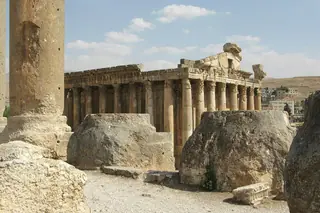
Out in the wide Bekaa Valley, Baalbek holds the most staggering Roman ruins anywhere outside Rome itself — and arguably the most jaw-dropping, because almost no one sees them coming. The Romans called it Heliopolis and built a temple complex on a scale they never repeated. The six surviving columns of the Temple of Jupiter stand 22 metres tall, among the largest ever raised; nearby, the Temple of Bacchus is so complete and so finely carved that it makes better-known sites look modest. Reaching Baalbek means crossing the mountains from Beirut into Lebanon's fertile wine country, an experience in itself. In summer the temples become a stage for the Baalbeck International Festival, when orchestras and singers perform among the floodlit columns. Go for the scale, stay for the strange quiet of standing alone beneath stones that have humbled visitors for two thousand years.
Beirut
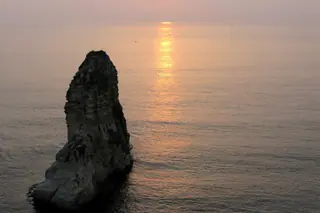
Beirut is a city that has been destroyed and rebuilt more times than almost anywhere on earth, and that history is written into every street. Ottoman townhouses with triple-arched windows sit beside French Mandate facades and sharp new towers, all of it stitched together by a population that treats going out, eating well, and arguing about politics as civic duties. Spend a morning at the National Museum tracing five thousand years of Phoenician, Roman, and Byzantine Lebanon, then walk it off along the Corniche, the seafront promenade where the whole city comes to fish, jog, and watch the sun drop behind the Pigeon Rocks at Raouché. The real Beirut, though, lives after dark in neighbourhoods like Gemmayzeh and Mar Mikhael — stairwells strung with bars, rooftops, and tiny kitchens serving mezze you'll think about for years. Come hungry, come curious, and let the city's stubborn, generous energy do the rest. It is the obvious base for any Lebanon itinerary, with the coast, the mountains, and the Roman ruins of Baalbek all within a day's reach.
Byblos
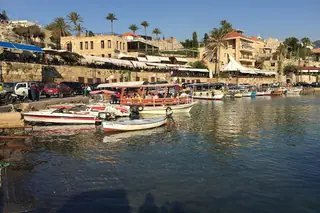
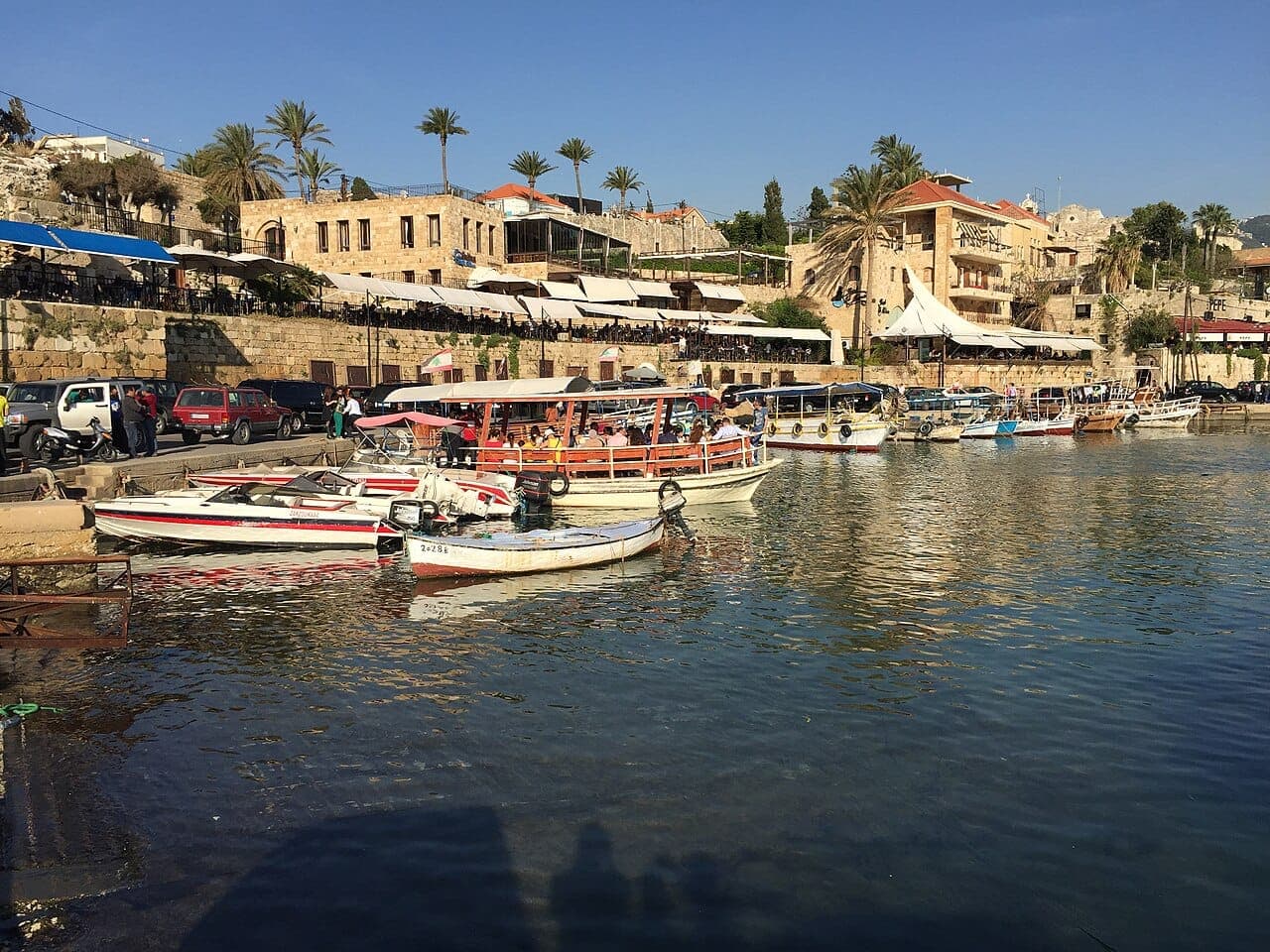
Byblos — Jbeil to the Lebanese — has a fair claim to being the oldest continuously inhabited city on earth, lived in without a break for some seven thousand years. It was here, trading papyrus and cedar with the wider Mediterranean, that the Phoenicians refined the alphabet that nearly every Western script descends from. You can stand among ruins layered Neolithic on Phoenician on Roman, then climb the squat 12th-century Crusader castle for a view that takes in the whole stack of history at once. What makes Byblos linger, though, is how gently it wears all this. The old souk is a warren of honey-stone lanes opening onto a small fishing harbour where wooden boats still bob beside seafood restaurants. An easy 40 minutes up the coast from Beirut, it's the perfect slow half-day: ancient ruins in the morning, grilled fish and arak by the water in the afternoon.
Sidon
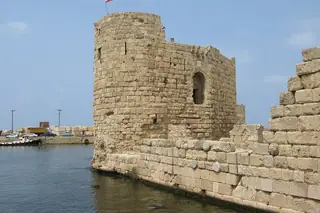
Sidon — Saida — is a working Phoenician port that has never stopped working. Fishermen still mend nets below the Sea Castle, a small Crusader fortress marooned on an islet and joined to the shore by a stone causeway; it is the city's postcard, and at dusk, with the boats coming in, it earns the cliché. Behind it, the old town is a covered labyrinth of vaulted souks, the kind you get pleasurably lost in, emerging at the beautifully restored Khan el-Franj, a 17th-century caravanserai built for French merchants. Don't leave without the Soap Museum, set in an old soapworks, which tells the unexpectedly fascinating story of Sidon's olive-oil soap trade. Half an hour south of Beirut and easily paired with Tyre, Sidon rewards travellers who like their history lived-in rather than roped off.
The Shouf
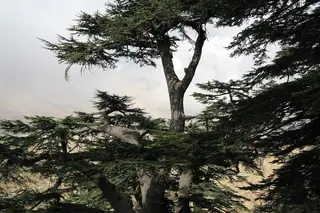
The Shouf is Lebanon's green mountain heart, and the antidote to anyone who pictures the country as only coast and city. Its centrepiece is the Shouf Cedar Reserve, the largest nature reserve in Lebanon, protecting a quarter of the country's surviving cedars — the same trees on the national flag, some of them over a thousand years old. Walk the trails through the Barouk and Maasser groves and you're among living things that were saplings before the Crusaders arrived. This is also the Druze heartland, with a culture and hospitality all its own. Two showpiece towns anchor a visit: Beiteddine, whose early-19th-century palace is a masterpiece of Levantine craftsmanship and hosts a celebrated summer arts festival, and the honey-coloured old town of Deir el-Qamar. Cool, scented with cedar, and deeply local, the Shouf is the part of Lebanon that travellers least expect and remember most.
Tyre
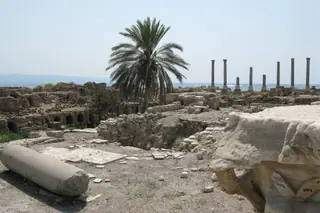
Tyre — Sour — was once the proud mistress of the Phoenician sea, the city that founded Carthage and supplied the ancient world with its rarest luxury, the purple dye worth more than gold. Today its UNESCO-listed ruins are among the most romantic in the Mediterranean: a colonnaded Roman road running toward the water, and at the Al-Bass site, one of the largest and best-preserved Roman hippodromes ever found, where you can pace the track that once carried chariots before crowds of thousands. Tyre also keeps Lebanon's best public beaches — a long, soft, golden stretch that feels a world away from the country's rocky northern coast — and a still-active fishing harbour ringed with restaurants. An hour and a half south of Beirut, it's where a Lebanon trip slows right down: ruins in the morning, the sea all afternoon.
Guided Group Travel
Package tours in Lebanon
Fully organised, small-group departures. Hotels, guides, transfers, and site fees — all included. EME has been operating tours since 2008.

Premium & Luxury
Premium tours in Lebanon
Want a human to plan every detail? A personal EME concierge researches and books your Lebanon trip from scratch — hand-picked hotels, private transfers, restaurant reservations, and 24/7 on-trip support. Concierge fee from €200 per adult per day — hotels, transport and meals billed at cost, quoted for Lebanon before you commit.
Available on request, after a current safety check.
- Hand-picked hotels, not algorithm lists
- Private transfers arranged, billed at cost
- Restaurant reservations pre-arranged
- One concierge, start to finish
Planning Your Lebanon Trip
Lebanon is one of Asia's most rewarding destinations. Use EME's free multi-city itinerary builder to combine cities, set your interests (history, food, nature, architecture, and more), and get a personalized day-by-day plan with attractions and travel times built in. Travel for everyone — inclusive, accessible, LGBTQ+ welcoming. No paywall, no sign-up to start.
Currency
LBP / USD
Language
Arabic, French, English
Visa
Visa on arrival for many nationalities. Check entry requirements based on passport.
Free trip builder
Combine Lebanon with neighboring countries, pick your interests, and get a day-by-day plan — free, no credit card, no sign-up to start.
Looking for somewhere else? Browse all destinations or plan a multi-country trip across Asia and beyond.
Browse all destinations