Europe
Italy Travel Guide
Ancient ruins, Renaissance art, and world-class cuisine
5 cities20+ attractions€0 to plan
Cities in Italy
Tap any city to see its attractions and start a day-by-day plan.
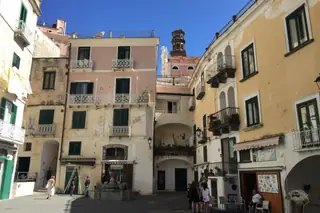
Amalfi Coast
The Amalfi Coast is the stretch of Italian shoreline everyone pictures when they picture the Mediterranean: pastel villages stacked up sheer cliffs, lemon groves terraced above a sea of deep blue, and a single famous corniche road threading it all together. Positano tumbles photogenically to its beach; the town of Amalfi keeps a striped Arab-Norman cathedral at its heart; and high above, Ravello looks down from gardens that have inspired composers and writers for a century. The smart way to travel it is by ferry — the coast is far more beautiful from the water, and far less nerve-wracking than the hairpin road. Walk the Path of the Gods for the view of a lifetime, swim from rocky coves, and eat seafood and lemon everything as the light softens. Spectacular and deservedly popular, it's at its best in late spring or early autumn, when the cliffs are warm but the crowds have thinned.
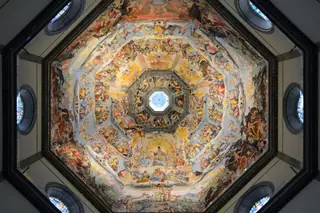
Florence
Florence is the Renaissance made walkable — a compact city where the movement that reshaped Western art was born, and where its masterpieces still hang where they were made. The Uffizi holds Botticelli's Birth of Venus; the Accademia, Michelangelo's David; and Brunelleschi's terracotta dome still crowns the skyline as the engineering marvel it was six hundred years ago. Climb it, or the neighbouring bell tower, for a view across a sea of red roofs to the Tuscan hills. At ground level the city is all leather markets, gelato, and the gold-shop-lined Ponte Vecchio spanning the Arno. Cross the river to the Oltrarno for artisan workshops and the Boboli Gardens, then take an aperitivo as the light turns amber. Small enough to cross on foot yet impossibly rich, Florence is also the gateway to Tuscany — Siena, San Gimignano, and the vineyards of Chianti all within easy reach.
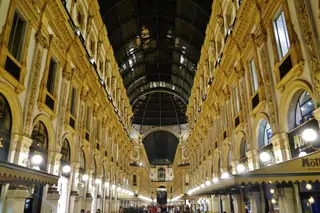
Milan
Milan rewards a second look. Italy's capital of fashion and design can seem all business at first, until you stand beneath the Duomo — a forest of marble spires and statues that is among the most spectacular Gothic cathedrals in the world — and climb to its roof to walk among them. Nearby, Leonardo da Vinci's Last Supper still clings to a refectory wall (book well ahead), and La Scala remains one of opera's great stages. This is also a city that does style as a way of life: the glass-roofed Galleria Vittorio Emanuele II, the boutiques of the Quadrilatero, the gallery-dense Brera quarter, and the canal-side Navigli where Milan comes out to drink at aperitivo hour. During Salone del Mobile each spring it becomes the design capital of the planet. Efficient, elegant, and the natural gateway to the lakes and the north, Milan is Italy at its most contemporary.
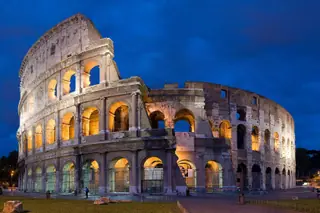
Rome
Rome is less a city than an open-air palimpsest where three thousand years pile up in plain sight: a Renaissance palazzo built into the ruins of a Roman theatre, a baroque church on a pagan temple's foundations, an ancient column holding up a medieval wall. Walk it and the icons come one after another — the Colosseum, the Roman Forum, the Pantheon's impossible dome, the Trevi Fountain, the Spanish Steps — close enough that a single day's wander links most of them. Then there's the Vatican, a country of its own, with St Peter's Basilica and Michelangelo's Sistine ceiling. But the Eternal City is also trattorias where cacio e pepe is religion, cobbled Trastevere lanes made for evening passeggiata, and espresso taken standing at the bar. Chaotic, sun-warmed, and gloriously layered, Rome asks only that you stop trying to see it all and start living in it.
Venice
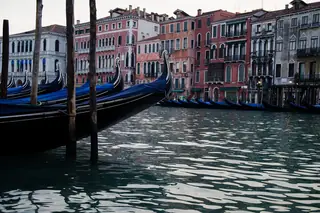
Venice should not exist, and that is exactly the wonder of it: a city built on wooden piles across a hundred-odd islands in a lagoon, with canals for streets and not a single car. The set pieces live up to themselves — St Mark's Square ringed by its golden basilica and the Doge's Palace, the Rialto Bridge arching over the Grand Canal, the gondolas sliding through green water — but the real Venice is found by getting deliberately lost in the quiet back lanes where the day-trippers never reach. Go early or stay the night, when the crowds thin and the city turns intimate and strange. Ride the vaporetto down the Grand Canal at golden hour, eat cicchetti standing in a bàcaro, and take the boat out to glass-blowing Murano and rainbow-housed Burano. Fragile, crowded, and utterly singular, Venice is a place to feel before you photograph.
Planning Your Italy Trip
Italy is one of Europe's most rewarding destinations. Use EME's free multi-city itinerary builder to combine cities, set your interests (history, food, nature, architecture, and more), and get a personalized day-by-day plan with attractions and travel times built in. Travel for everyone — inclusive, accessible, LGBTQ+ welcoming. No paywall, no sign-up to start.
Currency
EUR
Language
Italian
Visa
Schengen visa for non-EU citizens. 90 days in 180-day period.
Free trip builder
Combine Italy with neighboring countries, pick your interests, and get a day-by-day plan — free, no credit card, no sign-up to start.
Looking for somewhere else? Browse all destinations or plan a multi-country trip across Europe and beyond.
Browse all destinations